MARKET ANALYSIS
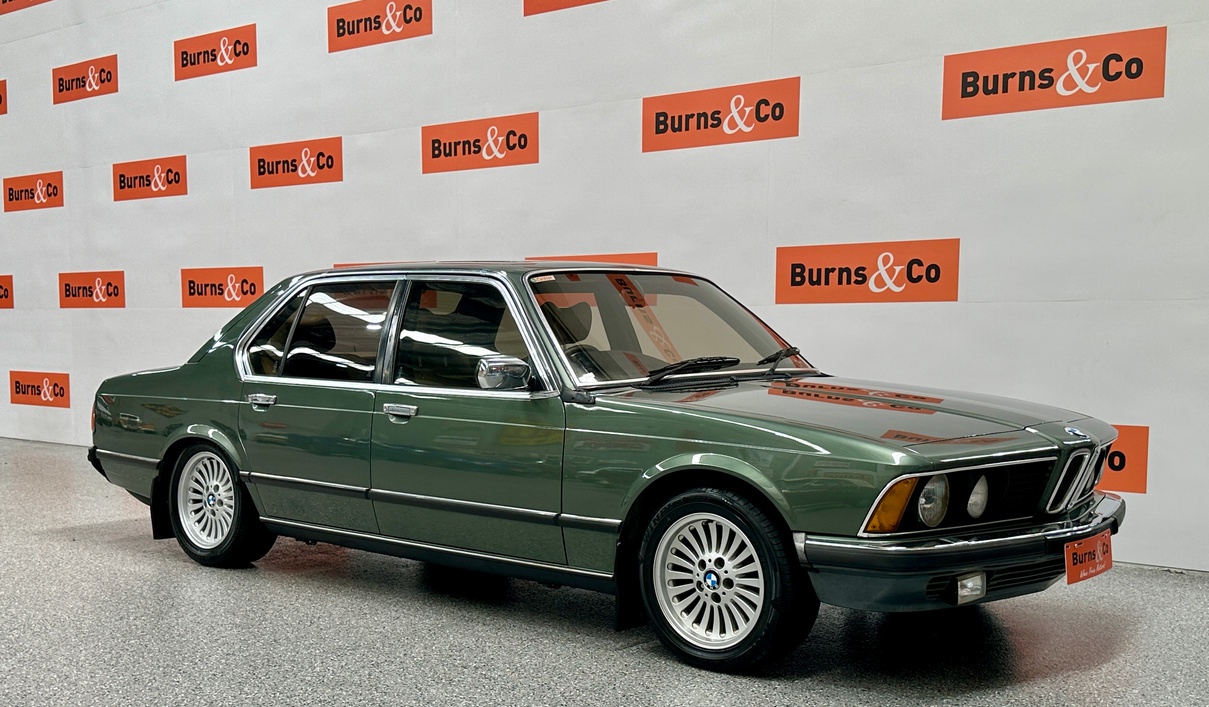
E23 (1978 to 1987)

The BMW E23 (1978–1987) is the foundational chapter of the 7 Series, famously pioneering BMW’s move into the "techno-luxury" sphere with first-of-their-kind features like ABS, on-board computers, and service indicators. In the 2026 Australian market, the E23 is a rare sight, occupying a specific niche for a buyer pool of "shark-nose" BMW enthusiasts who value its more mechanical, driver-centric feel compared to the digital isolation of modern 7s. While the local market was primarily served by the 733i and 735i (3.4L inline-six), the global "holy grail" remains the South African 745i SA—the only RHD version of the 745i, which used the M1 supercar's M88/3 24-valve engine instead of the turbo unit found in Europe. Desirability for the E23 is currently climbing as it follows the E24 6 Series and E28 5 Series into the "classic" investment tier, particularly for late-model Executive trims that featured buffalo hide interiors and burl wood accents. Market values in Australia vary significantly based on preservation: a high-kilometre, "honest" driver might trade between $12,000 and $18,000 AUD, but pristine, Australian-delivered 735i Executives with verified maintenance history are now frequently commanding between $25,000 and $45,000 AUD. Given the E23’s reliance on early electronics like the "Check Control" panel, vehicles that have escaped the typical 1980s electrical gremlins and maintain a crack-free dashboard hold the highest resale premiums in the eyes of local collectors.
The BMW E23 (1978–1987) is the foundational chapter of the 7 Series, famously pioneering BMW’s move into the "techno-luxury" sphere with first-of-their-kind features like ABS, on-board computers, and service indicators. In the 2026 Australian market, the E23 is a rare sight, occupying a specific niche for a buyer pool of "shark-nose" BMW enthusiasts who value its more mechanical, driver-centric feel compared to the digital isolation of modern 7s. While the local market was primarily served by th…