MARKET ANALYSIS
Capella (1970 to 2002)

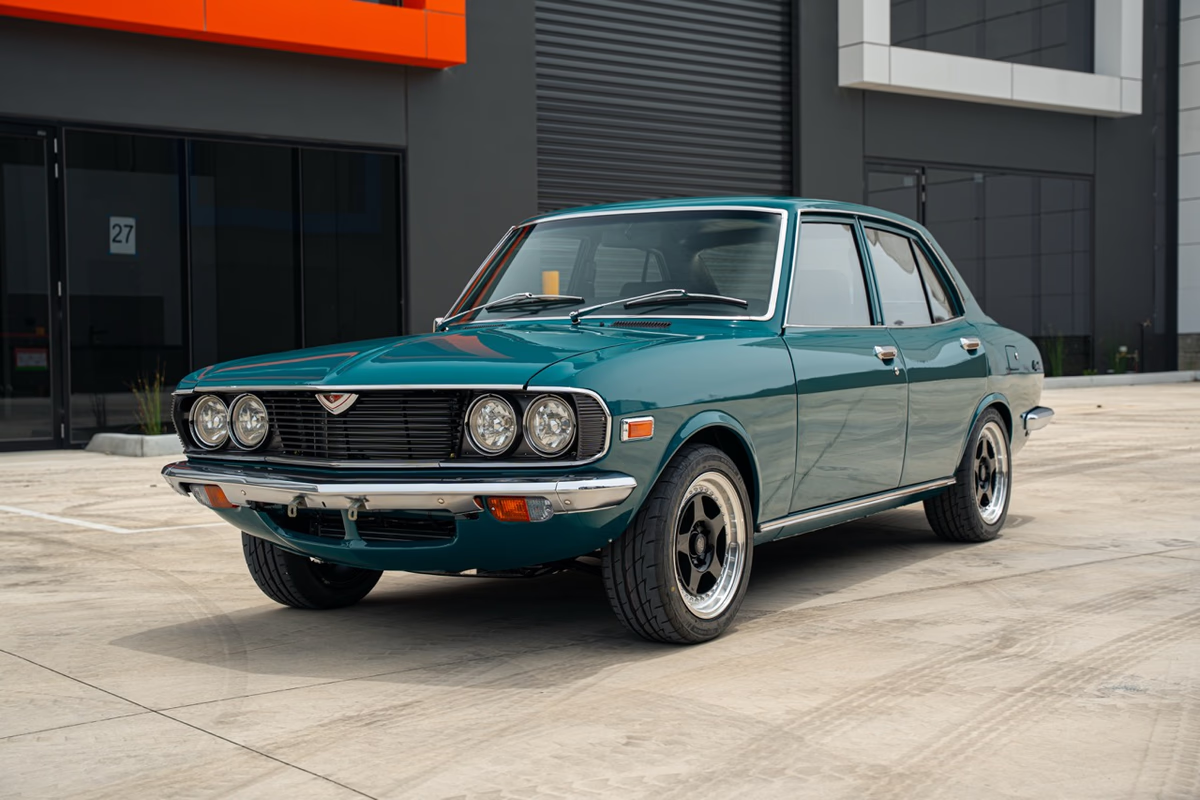
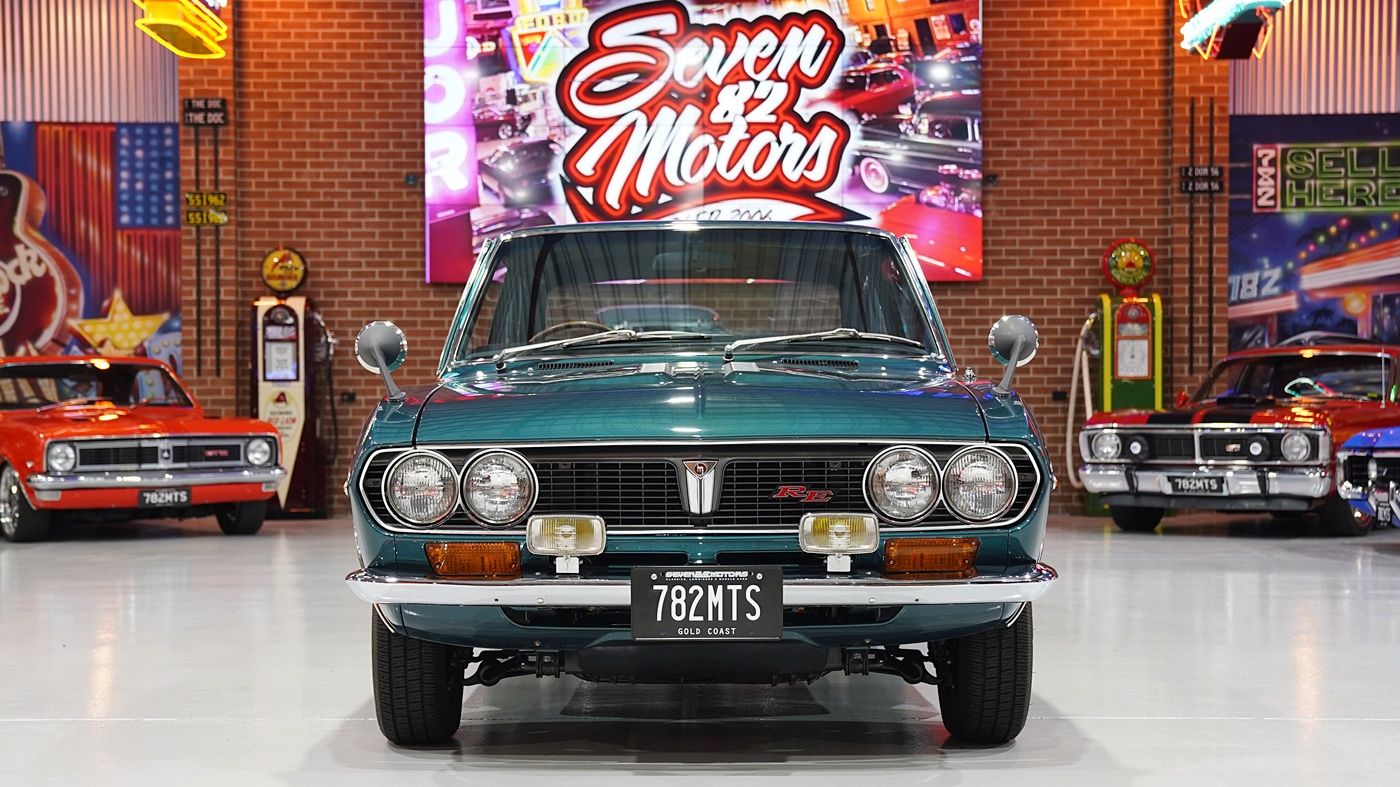
The Mazda Capella, which was manufactured globally between 1970 and 2002, represents a pivotal chapter in Mazda's history, spanning six generations and moving more than four million units worldwide under various nameplates like the 626. While the early rear-wheel-drive models became icons of the 1970s—particularly the RX-2 rotary variants which saw roughly 225,000 units produced—the later front-wheel-drive generations defined the brand's reputation for practical, high-tech family transport. In the 2026 Australian market, the Capella has reached a zenith of desirability among rotary enthusiasts and vintage Japanese car collectors, who view the original series as the "holy grail" of attainable early-seventies style. The buyer pool in Australia is exceptionally dedicated, consisting of restoration specialists who hunt for the rare two-door hardtop coupes and nostalgic boomers looking to reclaim a piece of their automotive youth. Locally, market value has skyrocketed for original, matching-numbers survivors, as 2026 buyers are increasingly focused on vehicles that have escaped the typical corrosion issues in the sills and wheel arches. For many local fans, the Capella isn't just a retired sedan; it is a symbol of the era when Mazda dared to be different, offering a level of mechanical soul that still resonates with the Australian car community today.
The Mazda Capella, which was manufactured globally between 1970 and 2002, represents a pivotal chapter in Mazda's history, spanning six generations and moving more than four million units worldwide under various nameplates like the 626. While the early rear-wheel-drive models became icons of the 1970s—particularly the RX-2 rotary variants which saw roughly 225,000 units produced—the later front-wheel-drive generations defined the brand's reputation for practical, high-tech family transport. In t…