MARKET ANALYSIS
Series L10A/L10B (1967 to 1972)

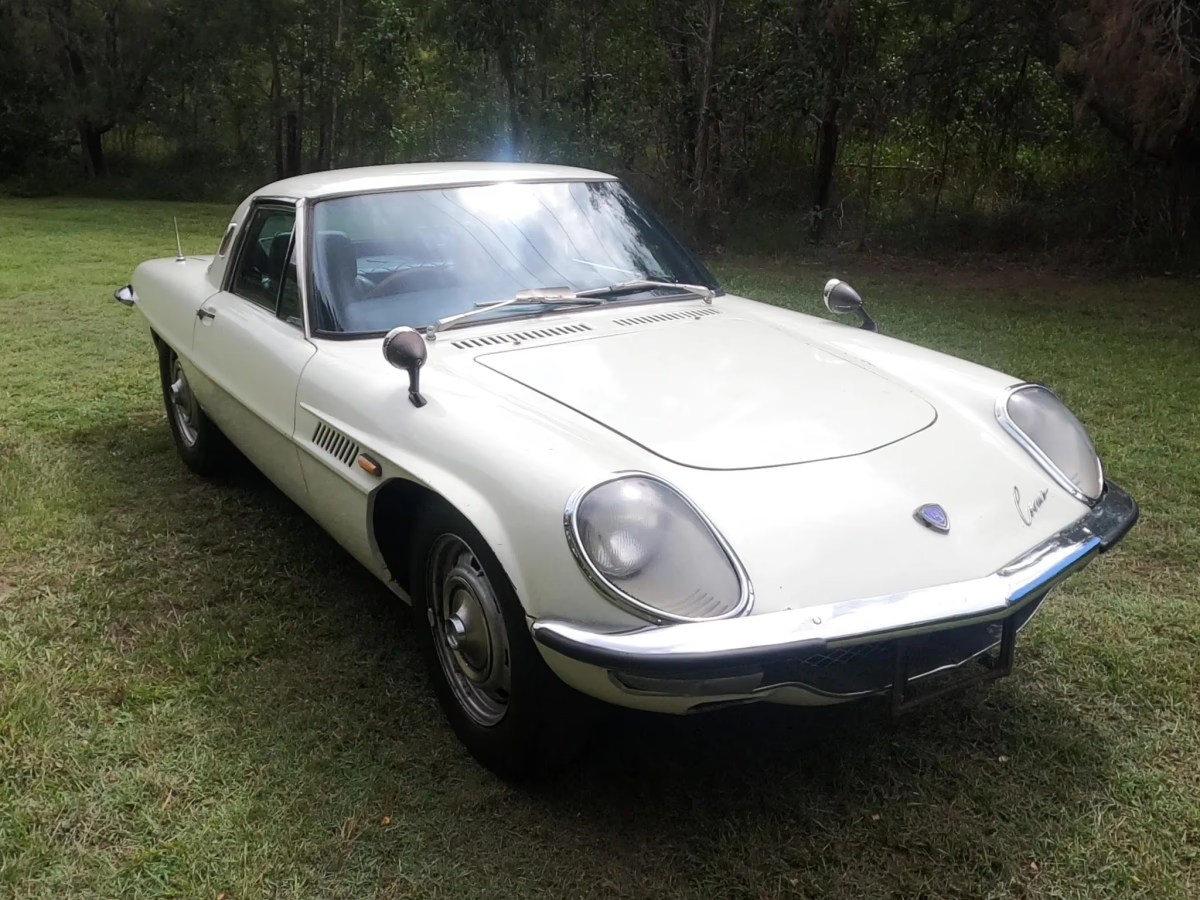
The Mazda Cosmo, manufactured globally from 1967 to 1972, stands as the legendary hand-built "halo" car that debuted the brand's rotary technology with exactly 1,176 units produced. This ultra-exclusive run was divided between 343 Series I (L10A) examples, featuring the original 110hp 10A engine and a four-speed manual, and 833 Series II (L10B) units, which offered an upgraded 128hp output, power brakes, and a five-speed gearbox on a slightly longer wheelbase for better stability. In the 2026 Australian market, the Cosmo is regarded as a blue-chip museum piece with peak desirability, as it represents the genesis of the rotary sports car and is one of the rarest Japanese vehicles to ever grace local soil. The buyer pool in Australia consists of high-net-worth collectors and automotive historians who view the Cosmo (often known here by its export name, the 110S) as a direct competitor to the Toyota 2000GT and a vital piece of the nation’s rotary subculture. Locally, market value has remained exceptionally strong for the few verified examples on our shores, with 2026 buyers prioritising original "survivor" cars that retain their handcrafted interior details and factory-specific 15-inch wheels. For the Australian enthusiast, the Cosmo is more than just a rare coupe; it is a symbol of the engineering bravery that would eventually lead to millions of rotary Mazdas and a historic victory at Le Mans.
The Mazda Cosmo, manufactured globally from 1967 to 1972, stands as the legendary hand-built "halo" car that debuted the brand's rotary technology with exactly 1,176 units produced. This ultra-exclusive run was divided between 343 Series I (L10A) examples, featuring the original 110hp 10A engine and a four-speed manual, and 833 Series II (L10B) units, which offered an upgraded 128hp output, power brakes, and a five-speed gearbox on a slightly longer wheelbase for better stability. In the 2026 Au…