MARKET ANALYSIS
Starion (1982 to 1989)

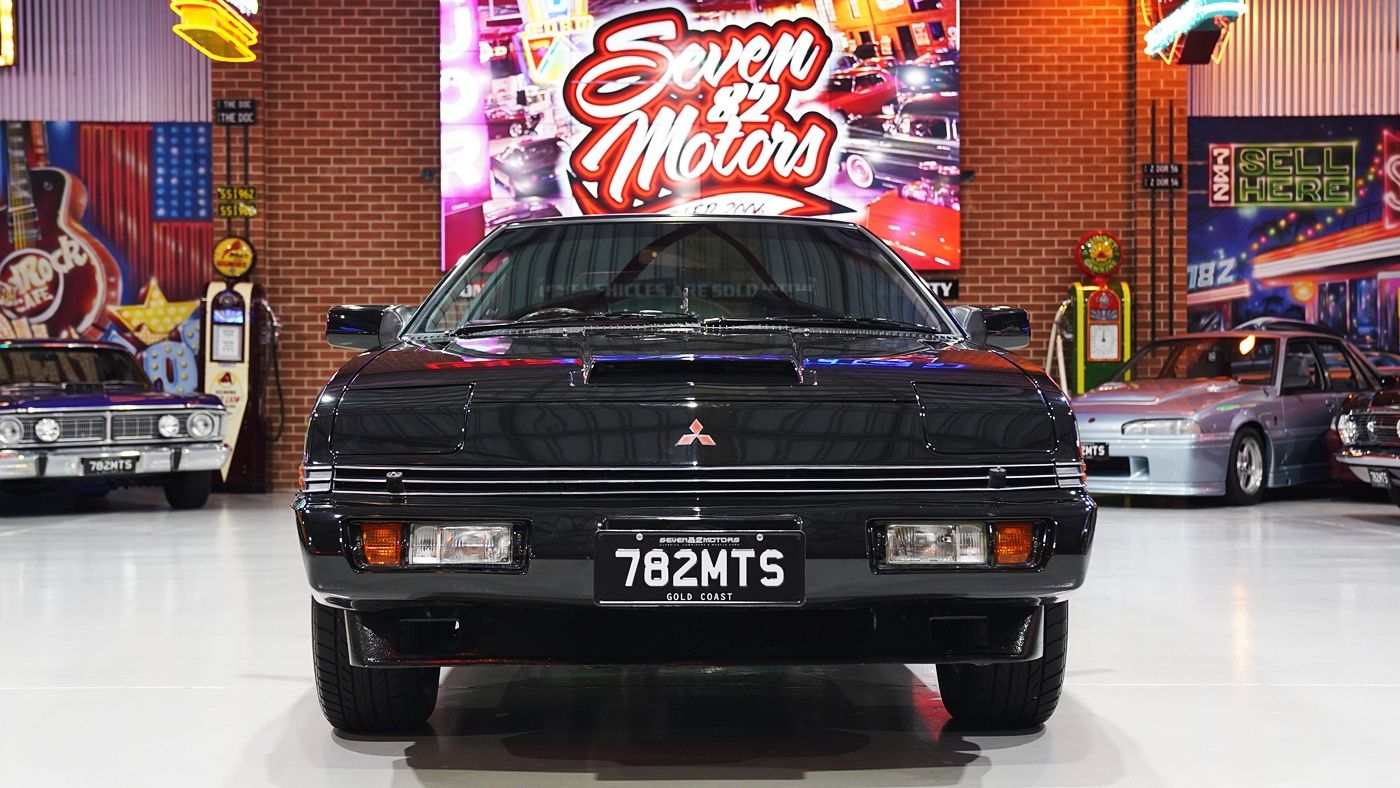
The Mitsubishi Starion, manufactured globally from 1982 to 1989 (with some final-year sales extending into 1990), emerged as a bold, wedge-shaped disruptor in the turbocharged grand touring era. Originally designed to challenge the world’s elite sports coupes, it utilised a rear-wheel-drive layout powered by a series of four-cylinder turbo engines—most notably the 2.0L 4G63 in the early JA/JB series and the high-torque 2.6L G54B in the widebody variants. In the 2026 Australian market, the Starion has transitioned from a cult classic to a highly sought-after "hero" car, with desirability peaking for the rare widebody GSR-VR imports and well-preserved Australian-delivered JD series models. The buyer pool is an eclectic mix of retro-tuning enthusiasts, historic rally racers, and "Rad-era" collectors who value its distinctive pop-up headlights, digital dashboard, and significant Group A racing pedigree. Locally, market value remains exceptionally strong and continues to climb, as enthusiasts seek out straight, rust-free examples that represent the raw, analogue peak of 1980s Japanese performance. For the Australian devotee, the Starion is a celebrated fixture at roll racing events and national JDM Festivals, standing as a permanent symbol of the boxy, high-boost innovation that paved the way for the Lancer Evolution.
The Mitsubishi Starion, manufactured globally from 1982 to 1989 (with some final-year sales extending into 1990), emerged as a bold, wedge-shaped disruptor in the turbocharged grand touring era. Originally designed to challenge the world’s elite sports coupes, it utilised a rear-wheel-drive layout powered by a series of four-cylinder turbo engines—most notably the 2.0L 4G63 in the early JA/JB series and the high-torque 2.6L G54B in the widebody variants. In the 2026 Australian market, the Stario…