MARKET ANALYSIS
9 3 (1998 to 2014)

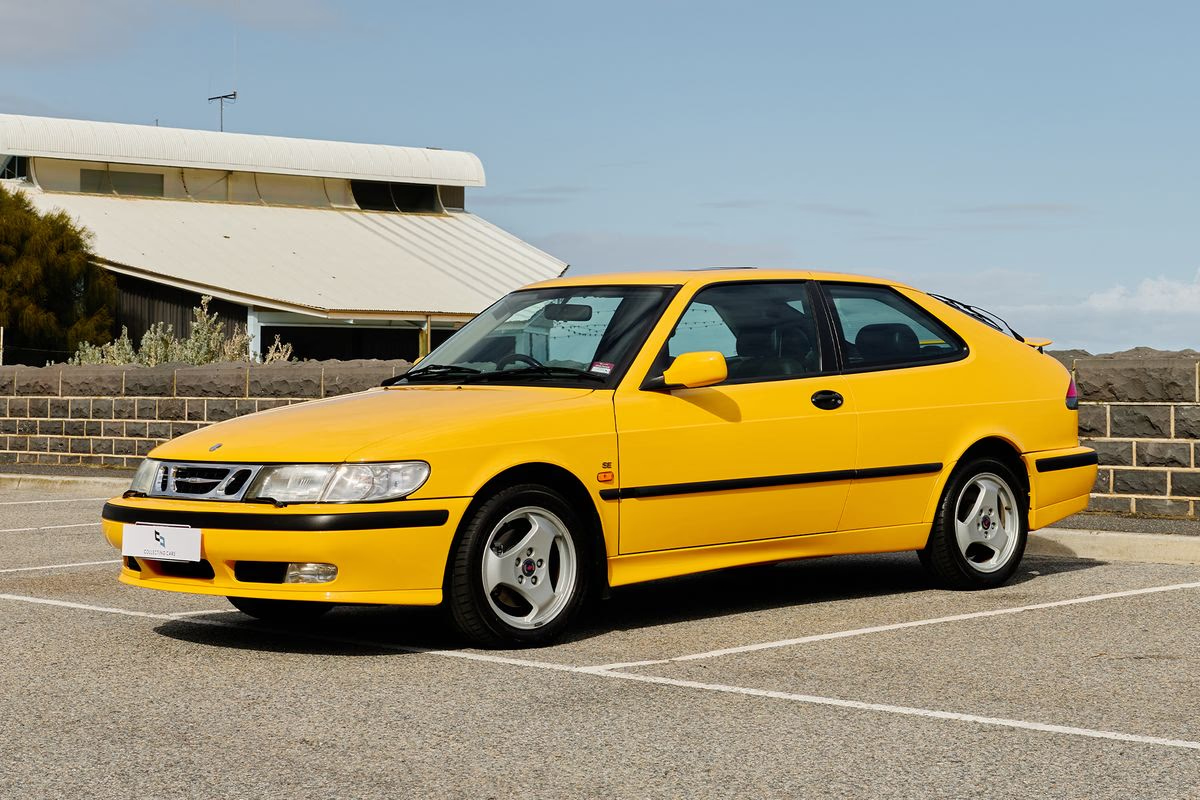
The Saab 9-3, manufactured globally between 1998 and 2014, successfully modernised the brand’s compact executive offering while retaining the distinct "aero" influence and safety-first philosophy that defined the Swedish marque. The first generation (1998–2003) was a significant refinement of the older 900 platform, while the second generation (2003–2014) moved to a more sophisticated GM-based architecture, introducing the widely praised SportCombi (wagon) and high-performance Turbo X all-wheel-drive variants. In the 2026 Australian market, the 9-3 is a definitive underdog compared to its German rivals, like the BMW 3 Series or Audi A4, primarily due to the "orphan" status of the brand which can make specific interior trim and electronic modules difficult to source; however, it remains a beloved choice for those who value unique Scandinavian design and the punchy, turbocharged torque that Saab made famous. The local buyer pool is a loyal community of "Saabists" and savvy used-car buyers who prioritise the model's exceptional seat comfort and five-star safety ratings, often networking through independent Swedish car experts in Melbourne and Sydney to navigate common issues like the "Direct Ignition" cassette failures or pixelated info displays. Desirability has spiked in 2026 for the late-model Aero convertibles and the rare, high-output Viggen of the first generation, which are now firmly established as modern-classic icons. Consequently, the market value of the 9-3 in Australia is currently showing signs of firming, as enthusiasts increasingly view these cars as the final, accessible chapter of a brand that famously "flew to its own beat."
The Saab 9-3, manufactured globally between 1998 and 2014, successfully modernised the brand’s compact executive offering while retaining the distinct "aero" influence and safety-first philosophy that defined the Swedish marque. The first generation (1998–2003) was a significant refinement of the older 900 platform, while the second generation (2003–2014) moved to a more sophisticated GM-based architecture, introducing the widely praised SportCombi (wagon) and high-performance Turbo X all-wheel-…