MARKET ANALYSIS
Master & Standard (1933 to 1942)

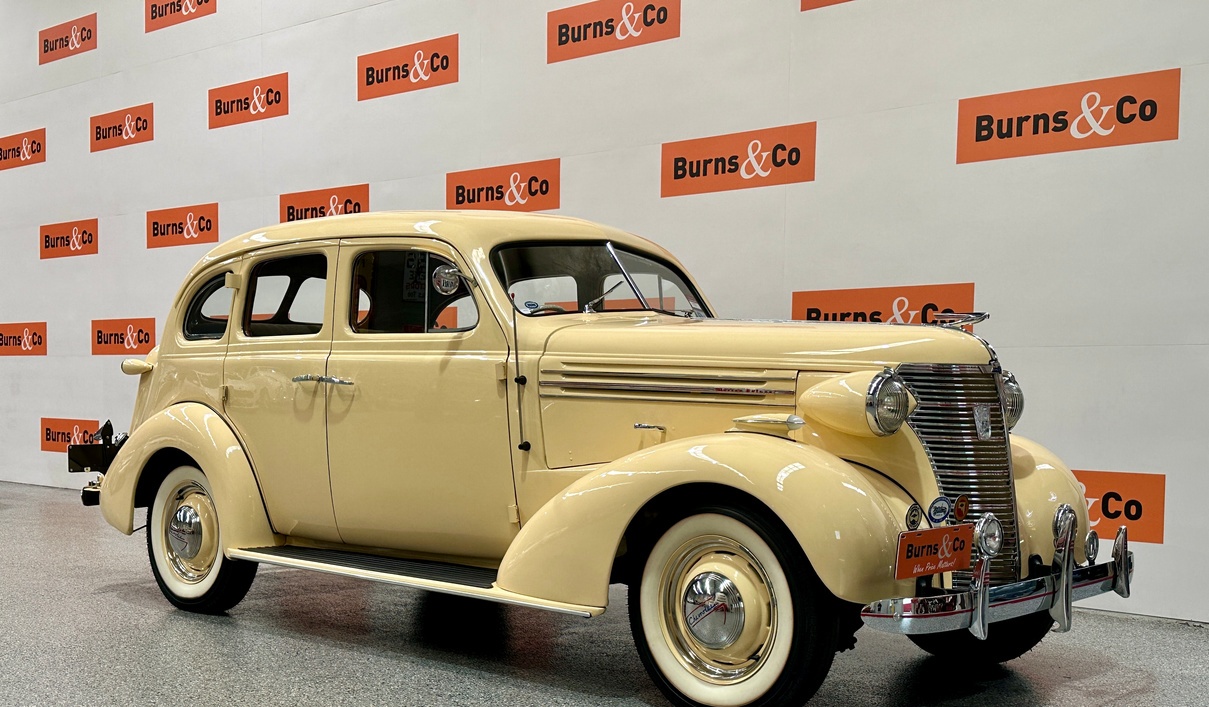
The Chevrolet Master and Standard series, spanning from 1933 to 1942, represents a pivotal era of pre-war engineering where Chevrolet moved away from the wooden-frame construction of the past toward the sleek, all-steel "Turret Top" designs of the Art Deco age. In the current 2026 collector market, these models maintain a solid market value averaging $32,200, with entry-level "Master 85" sedans starting around $14,000 and ultra-rare, all-steel coupes or custom street rods fetching well over $110,000. Their desirability is driven by their status as some of the most driveable pre-war cars available, thanks to the introduction of "Knee-Action" independent front suspension and the dependable Stovebolt Six engine, which provided a smooth alternative to Ford’s more aggressive V8. The buyer pool is a sophisticated mix of heritage purists dedicated to museum-grade restorations and custom builders who seek out the 1930s silhouettes for modern performance swaps. In Australia, the desirability is even more pronounced due to the historical significance of locally manufactured Holden-bodied variants, such as the iconic "Sloper" coupes, which remain high-priority assets for local investors and often command a significant premium over standard American imports.
The Chevrolet Master and Standard series, spanning from 1933 to 1942, represents a pivotal era of pre-war engineering where Chevrolet moved away from the wooden-frame construction of the past toward the sleek, all-steel "Turret Top" designs of the Art Deco age. In the current 2026 collector market, these models maintain a solid market value averaging $32,200, with entry-level "Master 85" sedans starting around $14,000 and ultra-rare, all-steel coupes or custom street rods fetching well over $110…