MARKET ANALYSIS
Series II (1958 to 1961)
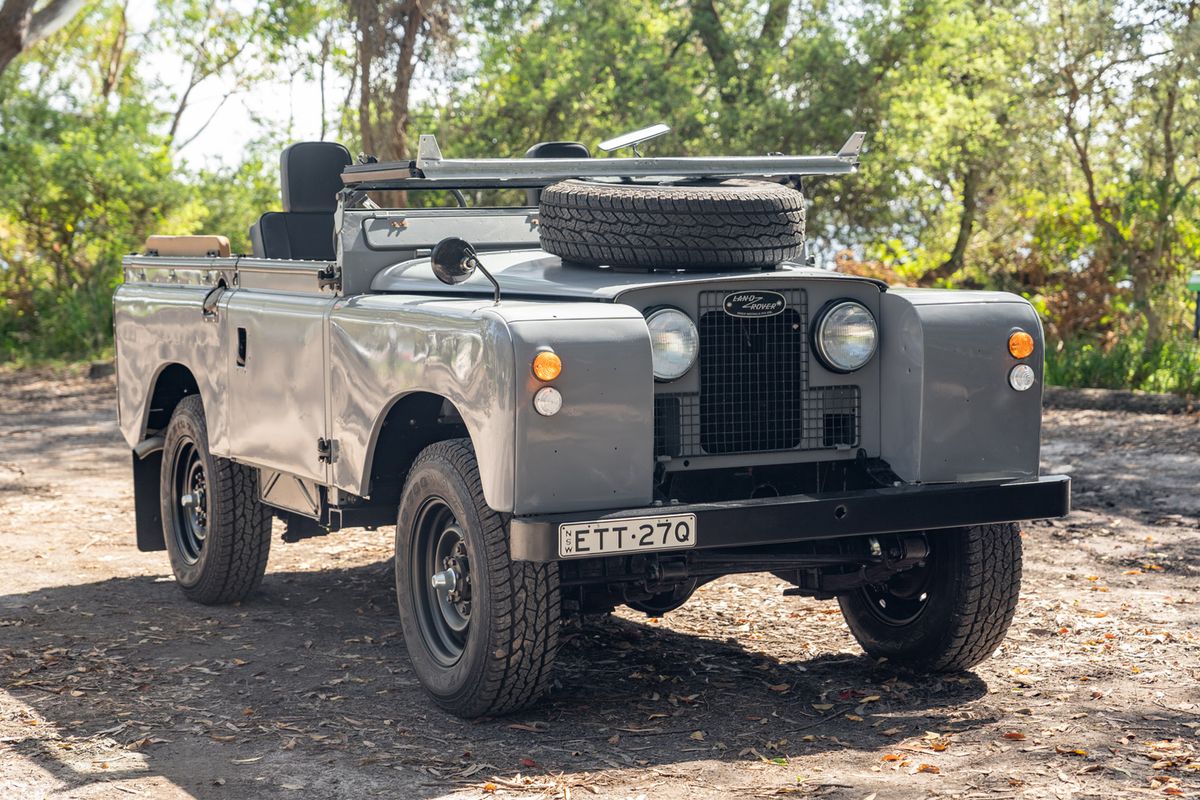
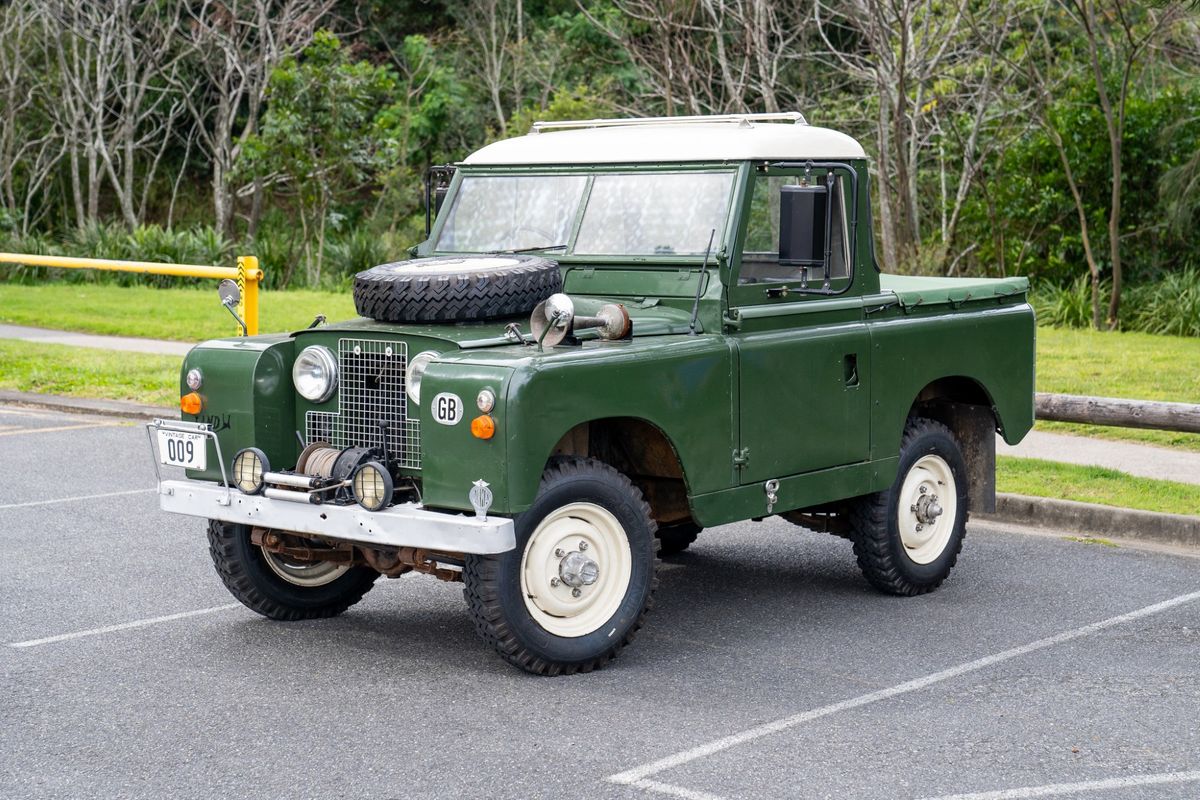
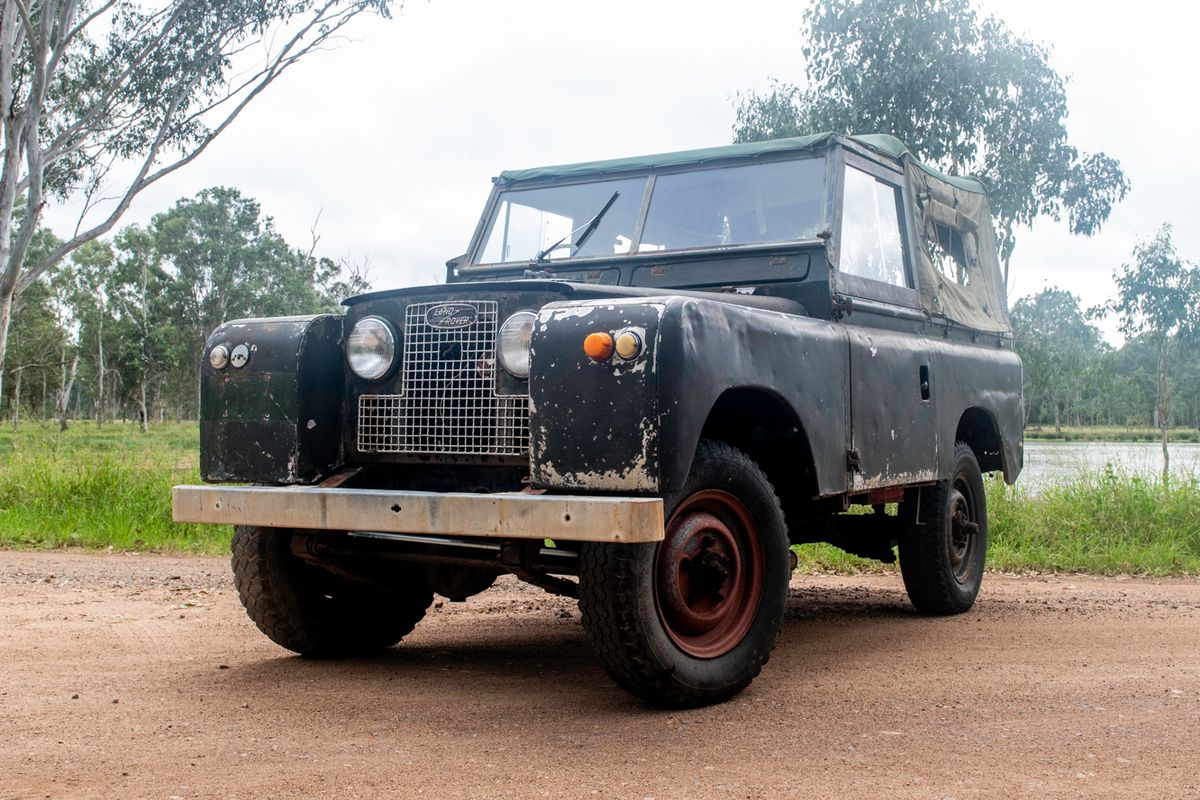
The Land Rover Series II, manufactured globally from 1958 to 1961, introduced the iconic "barrel-sided" aesthetic that would define the brand's silhouette for the next half-century, featuring curved body panels and a wider track for improved stability. In the 2026 Australian market, the Series II occupies a prestigious niche of desirability, as it is often viewed as the bridge between the rudimentary Series I and the more common Series IIA, with the very first Australian-delivered 1958 units—some of which served as military trial vehicles—commanding a significant premium. The buyer pool in Australia consists of discerning heritage collectors who specifically seek out the early 88-inch models that retained the 2.0-litre engine before the 2.25-litre petrol became standard, as well as technical historians who value the Series II for its unique "one-off" features like the body-coloured instrument panels and early-style door hinges. Locally, market value is exceptionally robust for original 109-inch Station Wagons, as 2026 buyers prioritise their rarity and historical significance as the first models to receive dedicated attention from Rover's styling department, ensuring they remain highly liquid assets within the vintage 4x4 investment landscape.
The Land Rover Series II, manufactured globally from 1958 to 1961, introduced the iconic "barrel-sided" aesthetic that would define the brand's silhouette for the next half-century, featuring curved body panels and a wider track for improved stability. In the 2026 Australian market, the Series II occupies a prestigious niche of desirability, as it is often viewed as the bridge between the rudimentary Series I and the more common Series IIA, with the very first Australian-delivered 1958 units—som…